
Autism Assessments in St. John’s, NL

Adult autism assessments in St. John's, Newfoundland.

Helping adults find clarity, answers, and confidence.

We are delighted to offer comprehensive adult autism assessments and ASD testing in Newfoundland and Labrador, with all in-person sessions hosted at our St. John’s–area office.

Taking the step toward formal autism testing and ASD evaluations are a great way to find clarity, deepen your self-understanding, and unlock the right supports and tools for your life. We are happy to walk alongside you in this process.

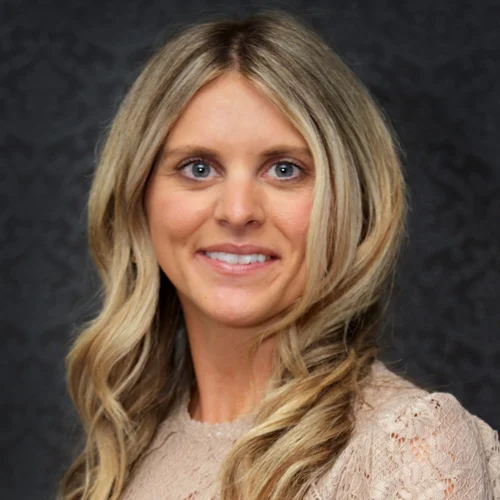
Your assessment will be guided by Lisa Brushett, MSW, RSW, ASDCS, a Registered Social Worker and Certified Autism Spectrum Disorder Clinical Specialist. Lisa brings deep professional experience and is formally trained in the ADOS-2 (Autism Diagnostic Observation Schedule).

We know that understanding your lived experience takes more than a single perspective. That is why our adult autism assessment process blends both the ADOS-2 and the ADI-R (Autism Diagnostic Interview-Revised). This method welcomes the insights of family members or loved ones whenever possible to paint the fullest, most authentic picture of who you are.

What to Expect During Your Autism Assessment

Starting an autism assessment journey as an adult is a big step, and it is completely normal to feel a mix of curiosity and nerves. We hope to make the process as clear, comfortable, and supportive as possible from start to finish.

  • Session 1: Getting to Know You (2 Hours)
    We will sit down for a relaxed, in-depth conversation. This session includes the ADOS-2 (Autism Diagnostic Observation Schedule), which is a friendly, interactive way to look at communication, social styles, and daily patterns. Think of it less like a test and more like a guided chat and series of activities designed to understand how your mind works.
  • Session 2: Family & History Chat (2 Hours)
    With your permission, we will talk with someone who knows you well—like a parent, partner, or close family member. We use a structured tool called the ADI-R to gather developmental history and background context. This helps us see the full picture of your life journey, from childhood to today.
  • Putting the Pieces Together
    Behind the scenes, we carefully score and interpret all the information gathered from both interviews and observations. We take our time to ensure the insights are thorough and accurate using ADOS-2 and ADI-R methods.
  • Session 3: Feedback & Next Steps (1 Hour)
    We will meet again to walk through everything we learned together. We will discuss the scoring results, share our diagnostic impressions, and provide practical, individualized recommendations tailored specifically to your life, goals, and needs.

If you have any questions before we begin, or if there is anything we can do to make you feel more comfortable, please let us know. We are right here with you!

Total assessment fee

  • $3,000 – This includes all sessions, review, ADOS-2 and ADI-R scoring and final assessment report.
  • Check with your insurance provider regarding coverage for services provided by a Registered Social Worker (RSW).
  • Once your autism assessment is finished, you’ll have the option to continue with further coaching, counselling, or Nurse Practitioner services for an additional fee.

Payment options

  • Direct payment: 
    • $1,000 at the start of your initial session
    • $1,000 at the start of your second session
    • $1,000 before your report is release
  • Financing via Medicard:
    • Flexible terms (12–72 months)
Bright Path Counselling St. John's, NL
Bright Path Counselling

40 Commonwealth Ave
Mount Pearl, NL A1N 1W6


Lisa Brushett Child Counsellor
Lisa Brushett
Certified Autism Spectrum Disorder Clinical Specialist

Frequently Asked Questions

While you don’t need a doctor’s referral to start an autism assessment with Bright Path, however, some insurance plans may require one for reimbursement.
To find out exactly what your coverage looks like, it’s best to reach out directly to your insurance provider. Make sure to ask specifically if they cover services from a Registered Social Worker.
The typical autism assessment takes 4 to 6 weeks depending on your scheduling availability. During this period, you will have three sessions (5-hours in total) with our staff as part of the evaluation process

In most cases, an autism assessment involves gathering information in these key areas:

  • Developmental history: We’ll discuss your recollection of social, sensory, or behavioural patterns
  • Current social and communication experiences: We’ll explore how you navigate conversations, understand social cues and relationship patterns.
  • Sensory profile: We’ll review your sensitivities (sound, light, texture, smell), sensory seeking behaviors, overload triggers, meltdowns/shutdowns and avoidance strategies.
  • Daily life: We’ll talk about your experiences and relationships at home, school, and work. This may include repetitive behaviors and routines (need for predictability, distress with unexpected change)
  • Mental health and co-occurring conditions: We will explore if there are factors that overlap with or mask traits of autism such as ADHD, anxiety, depression, trauma etc.
Once your autism assessment is complete, you’ll receive a comprehensive report. This document can be a valuable tool to share with other healthcare providers, like your family doctor, but please remember that it is up to them to decide whether they will accept the report.

What is Autism?

Autism Spectrum Disorder (ASD) is a neurodevelopmental condition that affects how a person communicates, interacts with others, and experiences the world around them. It’s one of the most common neurodevelopmental conditions kids, teens, and adults in St. John’s, NL navigate every day. It’s marked by a few key areas:

  • Social communication and interaction: This can look like navigating social cues differently, having unique communication styles, or forming relationships in non-traditional ways.
  • Restricted or repetitive behaviors: This might mean finding comfort in routines, intense focus on specific interests, or engaging in repetitive movements (often called stimming).
  • Sensory differences: This is when sensory inputs like loud noises, bright lights, textures, or tastes are experienced much more intensely or differently than they are for others.

Everyone experiences sensory preferences or likes routines sometimes, but for adults with autism, these traits are a core part of how their minds work and impact daily life across school, home, work, and social settings.


Signs of Autism in Adults

Social Communication & Interaction

For adults, social differences can affect work, romantic relationships, and daily social environments. Many autistic adults spend years “masking”—consciously or unconsciously copying neurotypical behaviors to fit in—which can lead to severe exhaustion. Common signs include:

  • Social fatigue: Feeling completely drained after social interactions or work events because of the constant mental effort required to navigate neurotypical social expectations.
  • Reading social cues: Struggling to interpret subtle hints, body language, or unspoken workplace dynamics, leading to misunderstandings.
  • Relationship challenges: Finding it difficult to form deep connections or maintain casual friendships, often preferring small, close circles of people who truly understand them.
  • Direct communication: Valuing honest, straightforward communication and feeling confused or frustrated by hidden meanings or office politics.
  • Social anxiety: Feeling persistently anxious in social settings due to a history of past misunderstandings or feeling like you don’t quite fit in.
Sensory & Behavioral Patterns

As people with autism mature, sensory sensitivities and the need for predictability remain, but they are managed within an adult context. The need for routine often becomes a vital coping tool for navigating a fast-paced world.

  • Sensory overload: Becoming easily overwhelmed in busy, loud, or crowded environments like grocery stores, open-plan offices, or concerts, needing downtime to recover.
  • Intense focus and passions: Maintaining deep, specialized interests that often bring immense joy, pride, and sometimes even form the foundation of a rewarding career or hobby.
  • Reliance on structure: Needing clear lists, predictable schedules, and structured environments to manage daily responsibilities successfully.
  • Meltdowns or shutdowns: Experiencing intense emotional or physical exhaustion (meltdowns) or withdrawing inward and going quiet (shutdowns) when sensory or life stress becomes too high.
  • Need for downtime: Requiring dedicated, quiet time alone in a low-stimulation environment to decompress and recharge after a busy day.

Autism testing in St. John's, NL

Questions about autism assessment in St. John’s, NL?